
Table of Contents
-
What Is Bilingualism and Why Does It Matter for Immigrant Families?
-
Benefits of Raising Bilingual Children
-
Challenges of Raising Bilingual Children
-
Practical Strategies for Raising Bilingual Children
-
When Do We Need Professional Help?
-
Conclusion
1. What Is Bilingualism and Why Does It Matter for Immigrant Families?
Bilingualism refers to an individual's ability to use two languages effectively in different communication situations. This ability spans a range from basic skills to full proficiency and can develop simultaneously (learning two languages from childhood) or sequentially (learning a second language after mastering the first).
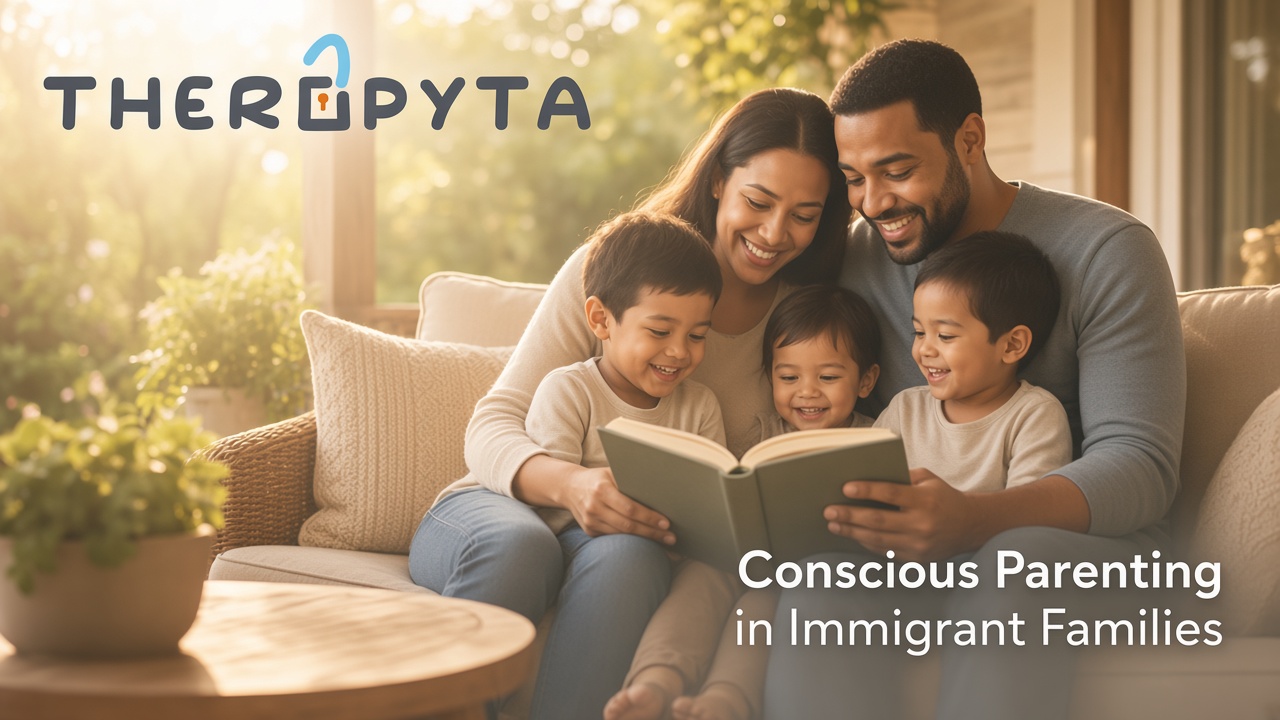
For Iranian immigrant families, bilingualism is especially important because it is directly linked to cultural identity and family connection. Persian carries culture, history, and family values, and maintaining it helps children stay connected to their roots and communicate with extended family in Iran. On the other hand, proficiency in the host society's language is essential for children's academic, career, and social success. Therefore, raising bilingual children is not just an educational choice but an investment in children's mental health, identity, and future.
2. Benefits of Raising Bilingual Children
Research shows that bilingualism has extensive benefits in cognitive, emotional, and social domains, making it a valuable asset for children.
Cognitive Benefits: Bilingualism is associated with improved cognitive flexibility, selective attention, and problem-solving. Bilingual children, due to the constant need to choose between two languages and suppress the inactive language, strengthen the brain's executive functions. Research shows that these children perform better on tasks requiring switching between rules or attending to conflicting information. Bilingualism may also be associated with delayed onset of cognitive decline in later life.
Emotional and Social Benefits: Bilingualism helps children build a more integrated identity and experience a sense of belonging to both cultures. The ability to communicate with extended family in Iran, especially grandparents, strengthens emotional bonds and prevents feelings of cultural alienation. Bilingual children also often have greater cultural empathy and can better understand different perspectives.
Academic and Career Benefits: Proficiency in two languages creates broader academic and career opportunities. In today's globalized world, the ability to communicate in multiple languages is a significant competitive advantage. Bilingual children also show greater aptitude for learning third and fourth languages.
3. Challenges of Raising Bilingual Children
Raising bilingual children, despite its many benefits, has its own challenges, and understanding them is essential for effective management.
Challenge One: Dominant Environment and Assimilation Pressure. In many countries, the host society's language is dominant, and children learn it quickly and may abandon their mother tongue. Peer pressure, media, and school can lead to reduced motivation to maintain Persian. Children may feel that speaking Persian distinguishes them from their peers and find this distinction unpleasant.
Challenge Two: Children's Resistance During Adolescence. During adolescence, when identity and group belonging become especially important, children may show greater resistance to using their mother tongue. They may view Persian as the "home language" or "parents' language" and prefer to speak the host society's language to feel a greater sense of belonging to their peer group.
Challenge Three: Differences in Language Learning Speed. Children may progress faster in the host society's language and slower in Persian. This difference can lead to a communication gap with parents, especially during adolescence when children may prefer to discuss emotional and sensitive issues in their more comfortable language.
Challenge Four: Lack of Resources and Learning Opportunities. In many countries, access to Persian educational resources—books, classes, teachers, and cultural programs—is limited. This shortage makes parents' efforts to maintain Persian more difficult.
Challenge Five: Parental Pressure and Creating Resistance. Sometimes parents, fearing the loss of Persian, put too much pressure on their children—such as insisting on speaking Persian at home, punishing for using the other language, or creating guilt. These pressures often backfire and lead to resistance and distancing from Persian language and culture.
4. Practical Strategies for Raising Bilingual Children
Raising bilingual children, though challenging, is manageable and even enjoyable with the application of scientific and practical strategies.
Strategy One: Creating a Rich Language Environment at Home. The home environment is the most important context for learning the mother tongue. Try to create a space where Persian is present naturally and daily. This can include regular Persian conversation at home, reading Persian books to children, watching Persian films and cartoons, listening to Persian music, and language games. The important thing is that Persian is introduced as a pleasurable and natural experience, not a forced task.
Strategy Two: Creating Opportunities for Connection with Persian-Speaking Family and Community. Regular contact with grandparents, relatives, and Persian-speaking friends creates strong motivation for learning Persian. Regular video calls, periodic trips to Iran, and participation in Iranian community groups provide opportunities for practical use of the language. When children see that Persian is the key to connecting with their loved ones, they find greater motivation to learn it.
Strategy Three: Managing Resistance with Dialogue and Flexibility. Instead of pressure and coercion, talk with your children about the importance of Persian. Explain why maintaining this language matters to you—for example, for connection with family, preserving identity, or future opportunities. Listen to their feelings and accept that they may sometimes resist. Flexibility, rather than strictness, often yields better results. For example, you can agree that Persian is spoken at home, but outside the home, your child is free to speak their preferred language.
Strategy Four: Collaborating with the School and Using Educational Resources. Collaborate with your child's school to use bilingual programs or Persian educational resources. Some schools offer mother tongue maintenance programs for immigrant children. You can also benefit from online resources, educational apps, and Persian classes held in the Iranian community.
Strategy Five: Modeling and Creating Positive Experiences. Parents are children's most important role models. If children see that their parents take pride in Persian, enjoy it, and consider it a valuable part of their identity, they are more likely to internalize the same attitude. Creating positive experiences—such as celebrating Nowruz, cooking traditional foods together, or participating in cultural events—ties Persian to a positive emotional experience.
Strategy Six: Seeking Specialized Counseling When Needed. If bilingualism challenges lead to severe family conflicts, academic decline, or emotional problems in children, seeking specialized counseling can be helpful. A counselor can help parents find more effective strategies for managing challenges and help children cope with identity and emotional issues related to bilingualism. Online counseling platforms like therapyta provide specialized services in Persian with experienced counselors who have themselves experienced immigration, and can accompany families on this path.
5. When Do We Need Professional Help?
Although bilingualism challenges are a natural part of immigrant family life, sometimes these challenges reach a point requiring specialized intervention. Warning signs include:
-
Severe and frequent family conflicts over language that make the home atmosphere tense and are not resolved with usual strategies.
-
Academic decline or learning problems in children that may be related to language issues.
-
Emergence of psychological symptoms in children such as anxiety, depression, social isolation, or reduced self-esteem.
-
Persistent feelings of guilt and helplessness in parents who, despite multiple efforts, feel they have failed to maintain Persian.
-
Deep emotional distance between parents and children created by the language gap.
In such cases, consulting a psychologist or family counselor can help you overcome bilingualism challenges through effective therapeutic strategies and create a healthier environment for your children's growth. Remember that seeking help is not a sign of weakness; it is a sign of love, responsibility, and commitment to your children's health and future.
6. Conclusion
Raising bilingual children is one of the most important and complex aspects of immigrant family life. Bilingualism, despite challenges such as the dominant environment, children's resistance, lack of resources, and parental pressure, has extensive cognitive, emotional, and social benefits that make it a valuable asset for children. By creating a rich language environment at home, providing opportunities for connection with Persian-speaking family and community, managing resistance with dialogue and flexibility, collaborating with the school, modeling, and when needed, seeking specialized counseling from platforms like therapyta, parents can successfully navigate this complex path and help their children build an integrated, rich, and balanced identity. Remember that the ultimate goal is to raise children who both take pride in their roots and feel a sense of belonging and success in the host society. And this goal is achievable with awareness, patience, and love.




 (1).jpg)
 (Website) (3).jpg)