Table of Contents
-
What Is Emotional Dependency and How Does It Differ from Healthy Intimacy?
-
Signs and Symptoms of Emotional Dependency
-
Roots of Emotional Dependency and the Role of Immigration
-
The Impact of Emotional Dependency on Relationships and Mental Health
-
Scientific Strategies for Treating and Managing Emotional Dependency
-
When Do We Need Professional Help?
-
Conclusion
1. What Is Emotional Dependency and How Does It Differ from Healthy Intimacy?
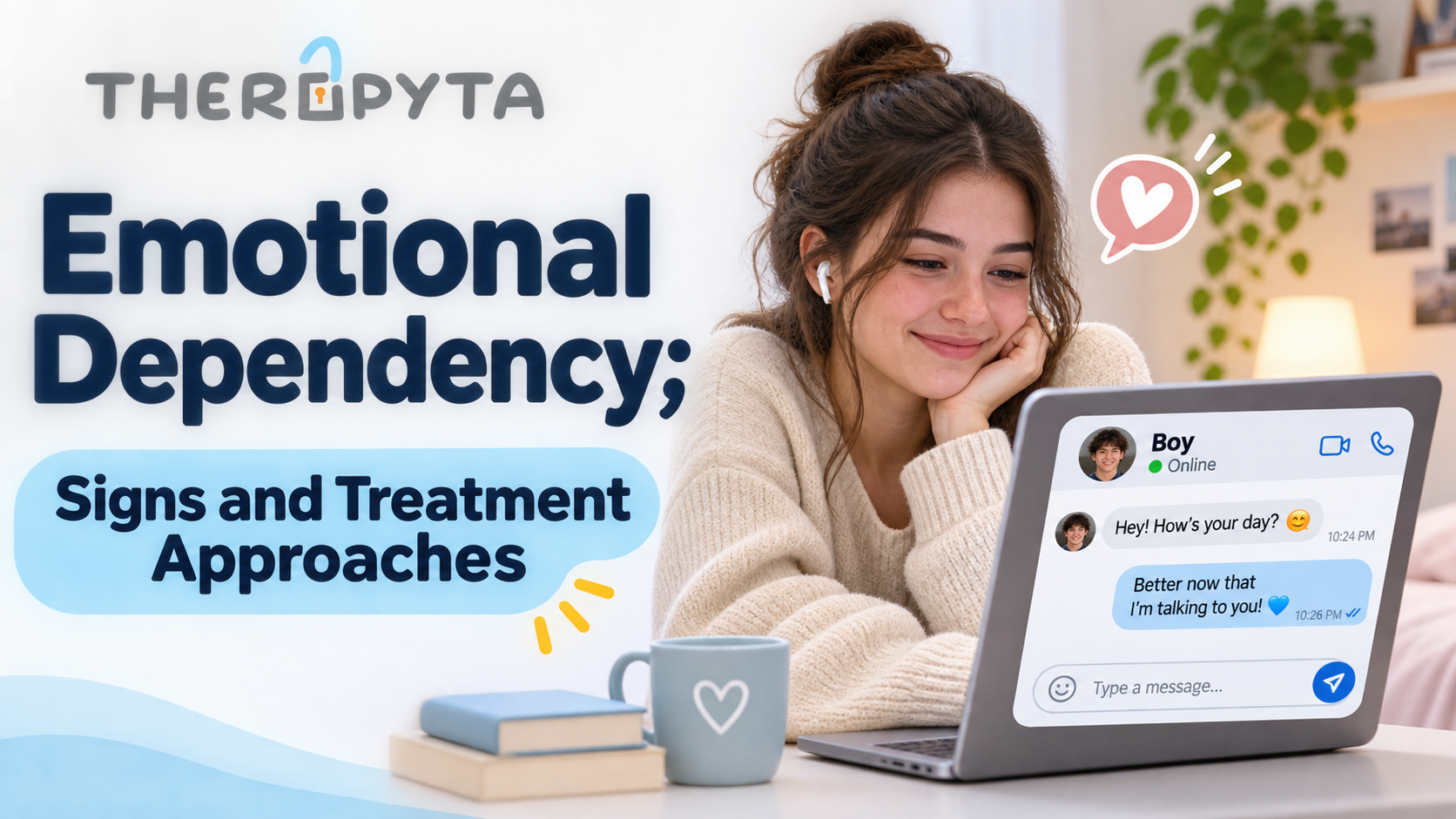
Emotional dependency refers to a relational pattern in which an individual becomes excessively dependent on another person for their sense of security, worth, and identity. In this pattern, the individual may feel they cannot live or have no value without the other person. Unhealthy emotional dependency, unlike healthy intimacy which is based on mutual respect, trust, and independence, is characterized by intense fear of abandonment, constant need for approval, and loss of sense of self.
The Difference Between Emotional Dependency and Healthy Intimacy: In a healthy relationship, two people can be close and intimate without losing their identity or independence. They can express their emotional needs but are not completely dependent on the other for their sense of worth. In contrast, in unhealthy emotional dependency, the individual may give up their needs and values out of fear of losing the relationship, ignore their personal boundaries, and feel that without the other person, they are "nothing."
Important Note: Emotional dependency is not a character weakness; it is a pattern that often forms as a result of childhood experiences, trauma, or unmet emotional needs. And like many psychological patterns, it is changeable and treatable.
2. Signs and Symptoms of Emotional Dependency
Recognizing the signs of emotional dependency is the first step toward identifying and treating it. These signs can be categorized into four main groups.
Emotional Signs: Intense and persistent fear of abandonment or rejection; anxiety and worry when the other person is unavailable; feelings of emptiness and worthlessness in their absence; constant need for approval and reassurance; and feelings of guilt or shame when expressing one's needs or personal boundaries.
Behavioral Signs: Attempts to control or monitor the other person's behavior (such as repeatedly checking messages or location); sacrificing one's needs and interests to please the other; difficulty saying "no" and setting boundaries; avoiding being alone and wanting to be constantly with the other person; and in severe cases, threatening or self-harming behaviors to prevent being left.
Cognitive Signs: Negative beliefs about oneself such as "I am nothing without them" or "No one will ever love me"; constant rumination about the relationship; and difficulty making decisions without consulting the other person.
Interpersonal Signs: Tolerating unhealthy or abusive behaviors for fear of losing the relationship; losing connections with friends and family due to excessive focus on the relationship; and oscillating between extreme closeness and distancing.
3. Roots of Emotional Dependency and the Role of Immigration
Emotional dependency usually has its roots in childhood experiences and attachment patterns. Children who did not receive unconditional love, or grew up with unstable or neglectful caregivers, may internalize an insecure attachment pattern that leads to unhealthy emotional dependency in adulthood. Additionally, experiences of trauma, rejection, or emotional loss in childhood can pave the way for this pattern.
The Role of Immigration: For Iranian immigrants, factors such as separation from the family support network, loneliness and social isolation, cultural adaptation challenges, and an intense need to belong can pave the way for or intensify unhealthy emotional dependency. In circumstances where the individual is deprived of family and social support, they may unconsciously seek an emotional relationship to fill the void of loneliness, and this intense need can lead to excessive dependency.
4. The Impact of Emotional Dependency on Relationships and Mental Health
Unhealthy emotional dependency can have deep and extensive effects on relationships and mental health. In relationships, this pattern can lead to frequent conflicts, jealousy and controlling behavior, dissatisfaction and emotional exhaustion in both parties, and ultimately relationship breakdown. The dependent individual may, out of fear of losing the relationship, ignore their needs and boundaries and gradually lose their identity and independence.
From a mental health perspective, emotional dependency is associated with chronic anxiety, depression, reduced self-esteem, and feelings of emptiness. The dependent individual may be caught in a cycle of need and fear that drains a lot of psychological energy and reduces their quality of life.
5. Scientific Strategies for Treating and Managing Emotional Dependency
Emotional dependency, although deeply rooted, is treatable and manageable. Below are the most effective scientific strategies.
Strategy One: Strengthening Self-Awareness. The first step is recognizing dependency patterns and their roots. By recording your thoughts, feelings, and behaviors in various situations, you can identify recurring patterns and understand what drives you toward dependency.
Strategy Two: Strengthening Self-Worth and Independence. Learn that your worth is not dependent on another's presence or approval. By setting personal goals, cultivating independent interests and skills, and practicing self-compassion, you can strengthen your inner sense of worth and become less dependent on external approval.
Strategy Three: Establishing Healthy Boundaries. Learning to set personal boundaries and respect them is one of the most important skills for overcoming dependency. Healthy boundaries help you preserve your needs and values and distance yourself from relationships that harm you.
Strategy Four: Expanding Your Support Network. Emotional dependency often intensifies when the individual has a limited support network. By expanding your relationships—with friends, family, and social groups—you can meet your emotional needs from more diverse sources and take the pressure off a single relationship.
Strategy Five: Seeking Specialized Counseling. Treating emotional dependency often requires professional help. Cognitive-Behavioral Therapy (CBT) can help identify and change negative beliefs and unhealthy behavioral patterns. Attachment-based therapy can also help explore childhood roots and rebuild attachment patterns. Online counseling platforms like therapyta provide specialized services in Persian with experienced counselors who have themselves experienced immigration, and can accompany you on this path.
6. When Do We Need Professional Help?
Although self-awareness and individual effort can be effective in many cases, severe emotional dependency often requires specialized intervention. Warning signs include:
-
Persistence of dependency patterns for several months or years without spontaneous improvement
-
Severe impact on relationships such that frequent conflicts, jealousy, or controlling behavior destroy the relationship
-
Emergence of psychological symptoms such as severe anxiety, depression, or self-harming thoughts
-
Tolerating unhealthy or abusive behaviors for fear of losing the relationship
-
Persistent feelings of helplessness and hopelessness that do not improve despite multiple efforts
In such cases, consulting a psychologist or counselor can help you identify and change dependency patterns through effective therapeutic strategies and achieve healthier and more balanced relationships.
7. Conclusion
Emotional dependency is one of the most complex yet common relational patterns that can severely affect an individual's emotional life and mental health. This pattern, unlike healthy intimacy which is based on mutual respect and independence, is characterized by an excessive need for approval, intense fear of abandonment, and loss of sense of self-worth. However, emotional dependency is treatable and manageable. By strengthening self-awareness, self-worth, establishing healthy boundaries, expanding the support network, and when needed, seeking specialized counseling from platforms like therapyta, one can move beyond dependency patterns and toward more balanced, healthier, and more satisfying relationships. Remember that emotional dependency is not a sign of your weakness; it is a pattern that can be recognized and changed. And most importantly, remember that you deserve relationships where both intimacy and independence, both love and respect, are present.


 (1).jpg)
 (Website) (3).jpg)